
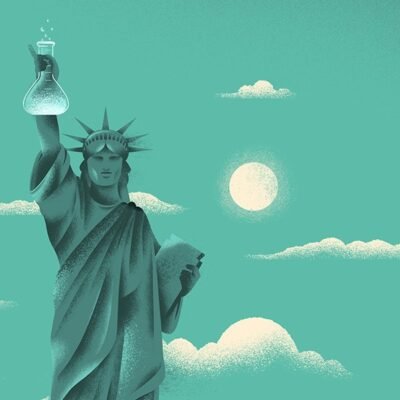
The US is the world’s science superpower — but for how long?
Illustration: Sébastien Thibault Science in the United States has never been stronger by most measures. Over the past five years,
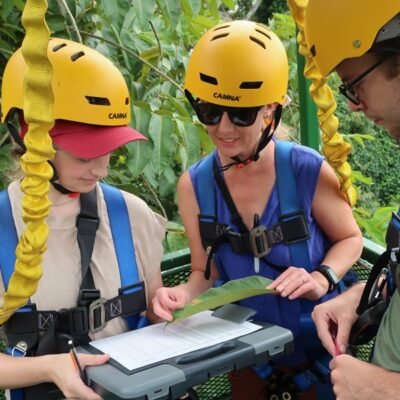
How to run a successful internship programme
Erin Spear (centre) teaches interns how to identify plant diseases.Credit: Javier Ballesteros Internships provide opportunities for early-career scientists to apply

Is it time to give up trying to save coral reefs? My research says no
I relocated from California to Placencia, on the coast of southern Belize, in 1995, when there were no paved roads,
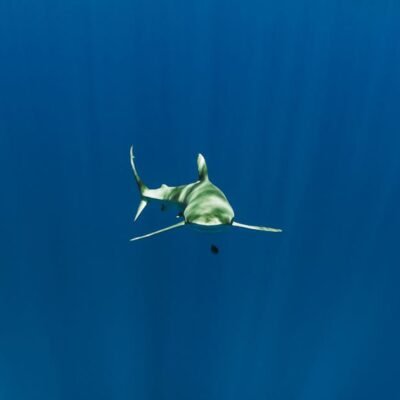
Shark-finning bans fall short, but bright spots offer hope
Efforts to ban shark finning in recent years don’t seem to be having the desired effect, according to new research.
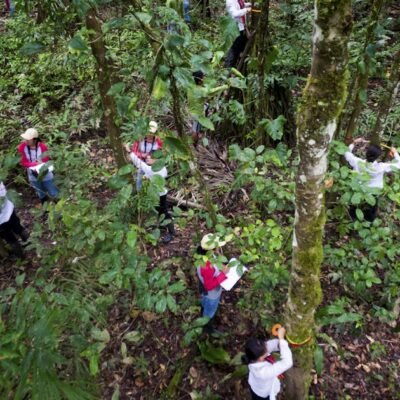
Women in STEM speak up
It’s a simple formula: More women in science equals more impactful and innovative science. Studies have found that scientific teams
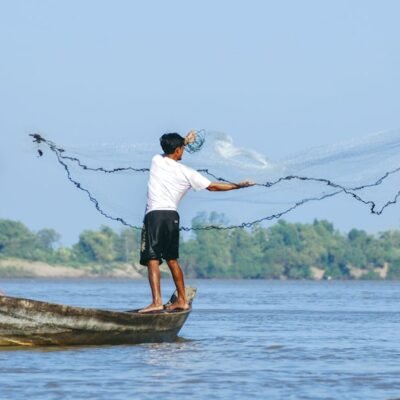
One-fifth of Mekong River fish face extinction
Unsustainable development has pushed one-fifth of the fish in the Mekong River — the lifeblood of Southeast Asia — to
anonymous sleuthing account goes public
Credit: bigtunaonline/Getty In 2018, a relatively unknown X (formerly Twitter) account began quietly posting about instances of predatory publishing in

Journals with high rates of suspicious papers flagged by science-integrity start-up
By analysing citations and authors’ publication records, Argos identifies ‘high risk’ papers that warrant further investigation.Credit: bernie_photo/Getty Which scientific publishers
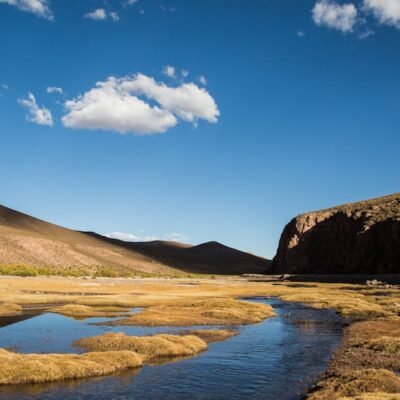
5 things you should know about wetlands
Wetlands — swamps, marshes and other water-saturated lands — link organisms in land and water in a way that allows
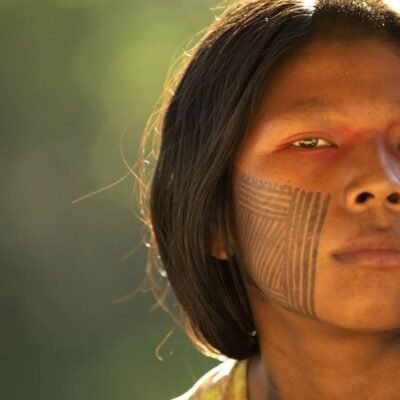
Why Indigenous rights matter
Editor’s note: The attention given to Indigenous peoples in global policy processes such as the Paris Agreement reflects a growing